Fantastic Job With Measurement and Installation
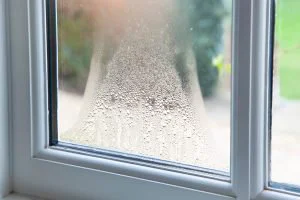
I need to replaced a broken seal window pane. It was very easy to schedule the measurement and installation thru Loren. Trevor and Kevin did a fantastic job with the measurement and installation.

Key Takeaways:
Yes, South Carolina's bathroom glass safety code requires safety glazing for shower doors, tub enclosures, and most glass close to them. The rules come from two places: a federal impact standard for architectural glass and the glazing section of the South Carolina Residential Code. Both point to the same goal. Glass that a person could slip and fall into has to resist breaking into dangerous shards.
This guide walks through what those rules say, where they apply in a typical bathroom, and how to check the glass you already have. It's a plain-language explainer, not legal advice. American Glass and Glazing builds custom frameless shower doors and enclosures to these standards, so we've kept it practical.
The residential code names specific spots in a home where ordinary glass isn't allowed. Section R308.4 of the code lists them as "specific hazardous locations for the purposes of glazing." Doors, glass next to doors, large low windows, railings, stairways, and wet areas all make the list.
The bathroom falls under R308.4.5, Glazing and Wet Surfaces. It covers glass in walls, enclosures, or fences containing or next to bathtubs, showers, hot tubs, spas, saunas, steam rooms, and pools. Under R308.4.5, glass near a tub or shower counts as a hazardous location when its bottom exposed edge is less than 60 inches above any standing or walking surface. The rule applies to single glazing and to each pane in a multi-pane unit.
There's one main exception. Glass more than 60 inches away, measured horizontally from the water's edge of a tub or the edge of a shower, falls outside the rule.
Railings get their own line. R308.4.4 treats glass in guards and railings as a hazardous location regardless of size or height, which is why our glass railing installations use safety glass throughout.
The Consumer Product Safety Commission's Safety Standard for Architectural Glazing Materials, 16 CFR Part 1201, is the federal rule behind safety glass. It covers glazing in products like storm doors, sliding patio doors, bathtub doors and enclosures, and shower doors and enclosures. The standard defines a shower door and enclosure as an assembly of panels forming all or part of the wall or door of a shower stall.
The standard sets impact tests in two categories. South Carolina's code points directly to it: R308.3.1 says glazing "shall be tested in accordance with CPSC 16 CFR 1201" and must meet Category II test criteria unless the code's table says otherwise. Category II is the tougher of the two.
One detail surprises people. Section 1201.40 clarifies that the federal standard was never meant to cover glass in an exterior-wall window located over a bathtub or inside a shower stall. That doesn't make those windows exempt at home, though. The state's residential code still applies its own wet-surface rule to them.
ANSI Z97.1 is a voluntary consensus standard for safety glazing. Unlike the CPSC rule, it isn't a federal regulation. The residential code allows it in some places as a second recognized test path.
The limits matter for bathrooms. R308.3.1's exception lets glazing be tested to ANSI Z97.1 only when it is not in doors or enclosures for bathtubs, showers, hot tubs, whirlpools, saunas, or steam rooms. So the shower door and the enclosure panels themselves go back to the federal CPSC test. Other hazardous-location glass in the room may qualify under either path.
South Carolina's residential code is based on the 2021 International Residential Code, and the glazing section of Chapter 3 as published on UpCodes carries the R308 framework described above. Local building departments enforce it, and some jurisdictions add their own amendments, so confirm details with yours before a remodel.
Here's how the rules play out in a typical bathroom:
You can check your own glass. R308.1 requires each pane of safety glazing in a hazardous location to carry a manufacturer's designation that stays visible in the final installation. The mark names who applied it, the type of glass, and the safety glazing standard it meets.
The code requires the mark to be acid etched, sandblasted, ceramic-fired, laser etched, embossed, or a type that can't be removed without being destroyed. Look in a lower corner of each panel. On frameless doors it's usually small and close to the edge.
AGG fabricates shower glass from tempered safety glass for every hazardous location, so the mark is there on the finished install. We build to the standard. Permits and inspections still run through your local building department. If you're comparing glass types for a new enclosure, our guide to clear, low-iron, frosted, and textured shower glass covers the look side of the decision.
Shower glass has to be safety glazing, and in practice frameless shower doors are tempered. Under R308.4.5 the enclosure is a hazardous location, and R308.3.1 requires its glass to pass the federal CPSC impact test. Laminated safety glass can also meet the test, but tempered glass is the trade standard for shower doors.
The code lists them in R308.4. They include glass in doors, glass next to doors, certain large low windows, railings, glass near stairways, and glass in or near tubs, showers, spas, and pools.
Look for the permanent manufacturer's mark, usually in a lower corner of the panel. Required by R308.1, it identifies the glass type and the safety standard it meets. No mark is a reason to have the glass checked.
Usually, yes. Size doesn't exempt it from the wet-surface rule. If its bottom edge is less than 60 inches above the standing surface and it sits within 60 inches horizontally of the shower's edge, it needs safety glazing.
Shower and tub glass follows clear rules in South Carolina. The 60-inch wet-surface zone, the federal impact test, and a permanent mark on every pane tell you whether the glass is right.
Owner DJ Sorensen brings 19 years of glazing experience to every enclosure American Glass and Glazing builds. Our semi-frameless shower doors and frameless enclosures use safety glass from the start. Have questions about an American Glass and Glazing project? Our residential glass services FAQs cover the basics.
Need glass work done? We handle both residential and commercial glass jobs. Fill out the form below to get a quick quote. We'll get back to you fast with clear answers, honest timelines, and next steps.